Learn Holistic Management And Heal The Land
This professional education service can be customised to suit your needs and current situation. Contact us at your convenience to discuss this cost effective way to improve your life, your land and your health.
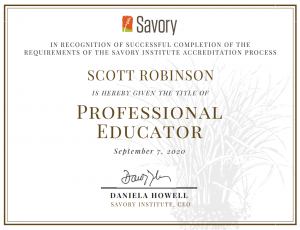
Holistic Management increases your knowledge base in:
Decision making
Achievable goals
Understanding your Ecosystem
Environmental monitoring
Grazing planning
Financial planning
Holistic Land Use
What does Holistic Land Use mean?
Holistic simply means all the parts that make up the whole! In our case, this can mean the Scalable process of feeding ones self or a community in balance with the natural environment. That environment can be managed to be productive for humans, fauna and flora, creating a regenerative habitat. Offering enough food for the local fauna, gives humans the chance to harvest what we need!
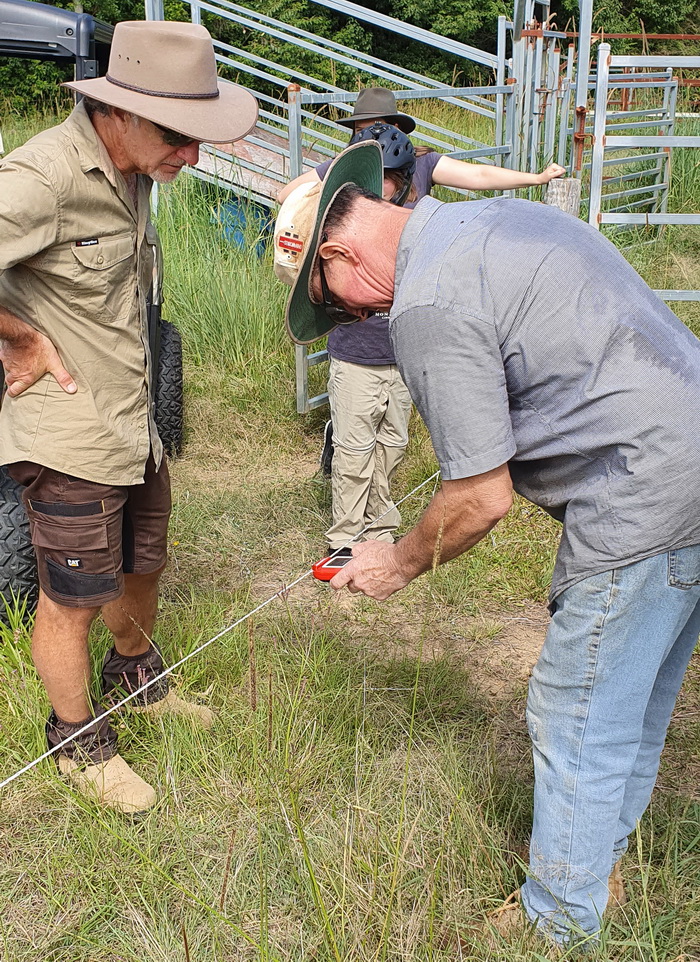
Holistic Land Use, uses a combination of the following principles that Scott Robinson and Haidee Robinson have spent a life time learning and implementing into their lives.
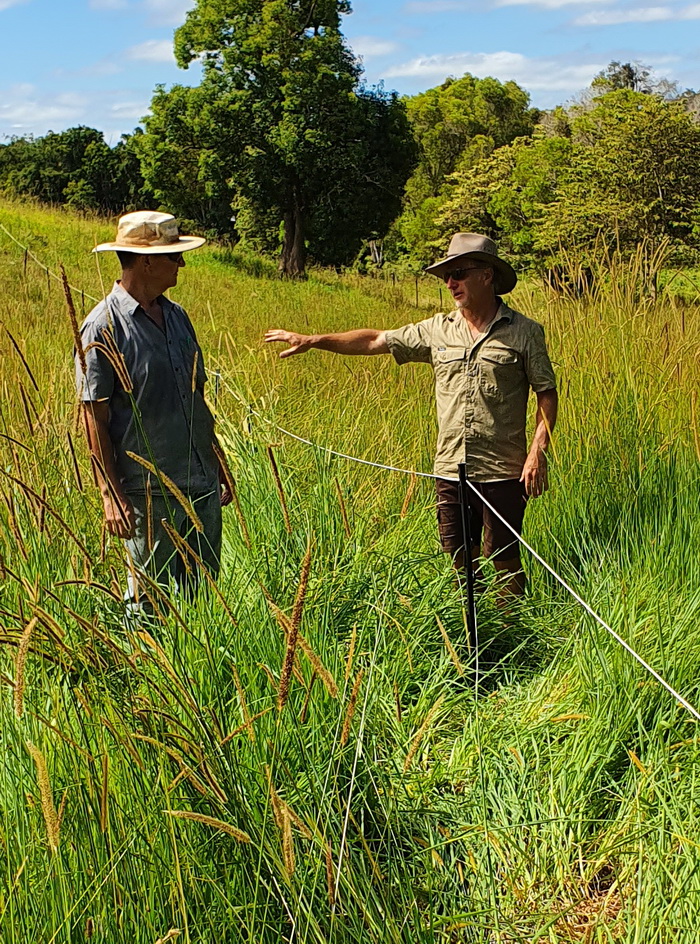
Holistic Land Management:
Encompasses decision making, goal setting, planning, environmental monitoring and plant management.
Permaculture:
Is a ecological design system emphasising patterns in the landscape, function and species assemblies.
Nutrition Farming:
Is ecological farming enhancing the relationships between organisms and their environment.
Keyline Farming:
Is a topographic based technique for maximising beneficial use of water storage and flow on individual properties.
Ethics:
‘If we’re not part of the solution we’re part of the problem’ Bill Mollison.
Care of Earth- All inclusive.
Care of people- Promote self reliance and community responsibility.
Give away the surplus- Excess food, labour and information.
Build Wealth in Your Soil
We all need nutrient rich soil to keep plants, animals and humans healthy.
Why keep doing the same things the same way if they are not regenerative?
By building Humus (soil, not dirt!) you are sequestering Carbon in your soil, increasing the diversity of necessary life and moisture retention. 1 square metre of humus can hold up to 17 litres of water!
Livestock grazing systems and Forestry management, fruit tree or vegetable production can be integrated to benefit from each other while building top soil.
“Building Humus is the key to the future of feeding people and reducing human impact on earth’s climate”
Humus is the one thing that can save your property from nutrient depletion, surface erosion and declining value. It is the only way you can hold up to 17 litres of water in every square metre of your precious top soil!
To learn more about how important it is, please take the time to watch these two presentations on land regeneration by
Diversity is the key to healthy soil!
Diversity with plants, animals and the interactions between all living things in that environment is what can create a naturally regenerative landscape. Our role is to assist nature by way of how we manage livestock and what we plant to feed ourselves and what we offer to the native animals! These are some of the parts that make up the whole!
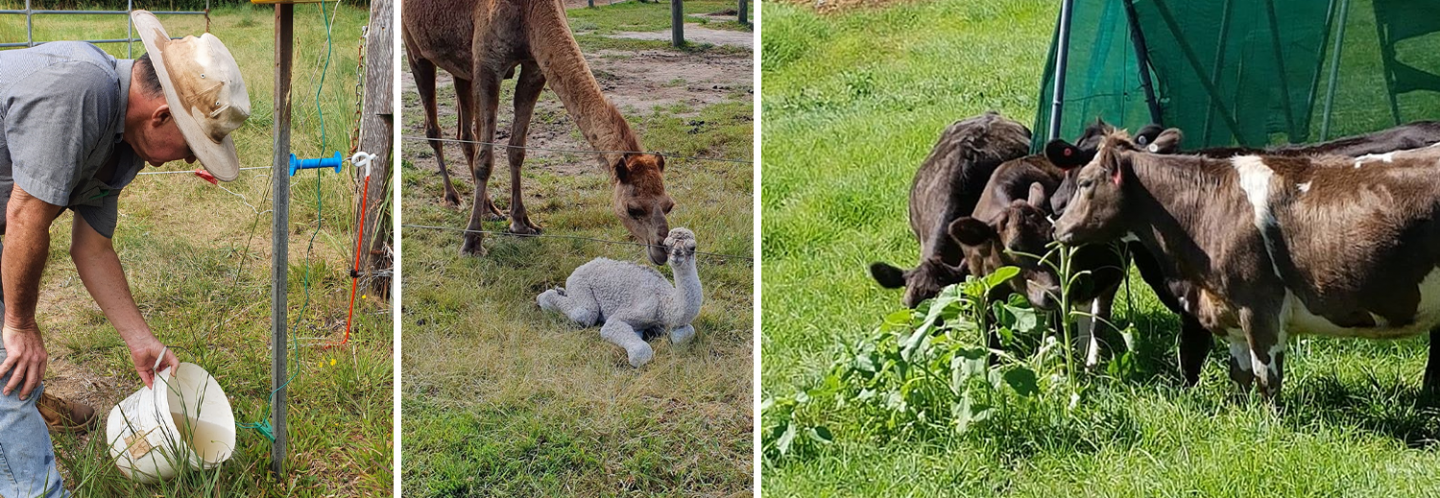
Cattle can heal your land


We can guide you through holistic land management principals and how using Livestock can mimic nature to improve your pastures or clear out undergrowth to reduce fire risk, all while increasing the biodiversity on your property. If your “pasture” is a small suburban yard, imagine guinea pigs and Quail! You can get started in less than an hour to maximise your humus building potential. Regularly moving your animals away from pathogens (their poop!) increases the health of their immune system and decreases the need for medications. There are many natural alternatives that work to help keep pests and disease at controllable levels! Don’t scare off the white egrets if you have them. They love eating ticks!
Growing your own food can save up to $2,000 per person per year!
Chooks
Mobile pasture fed chickens will help fertilise your fields, spread livestock manure to reduce flies to almost 0, and offer you an abundance of fresh tasty eggs every day. If you choose the right breed you can harvest them for meat after 12 to 18 months of laying to increase your poultry income or reduce your food costs.
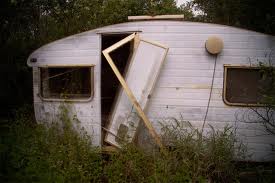
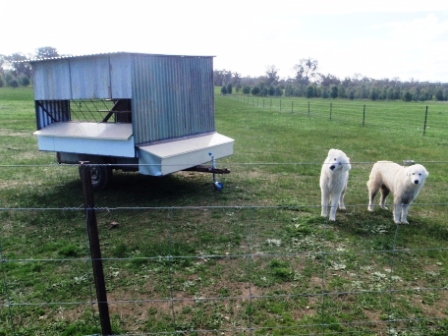
Even if your on a tight budget, you can recycle just about anything into a mobile chook house. If you need to build one, we can help.
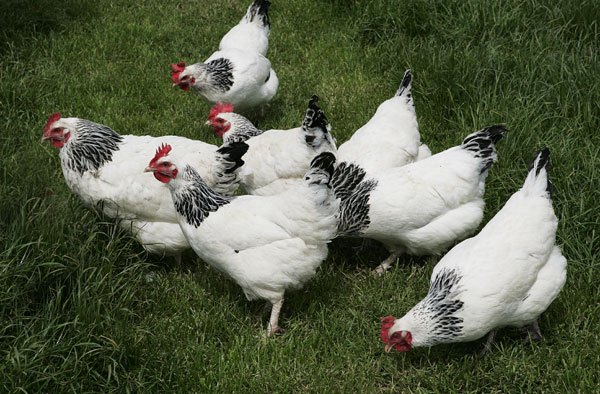
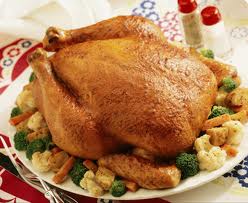
Keeping chooks healthy without medications is as simple as putting 1ml of unpasteurised ACV(Apple Cider Vinegar) in their water per chook per day. Another cost effective nutrient boost is liquid Sea minerals+. Add 20ml per litre of water. We use a sealed container with water nipples for the chooks to access fresh water, which also prevents the local bird population from contaminating it. We also recommend adding 10 grams per kilo of feed per day of food grade DE (Diatomaceous Earth) into their feed. We also recommend sprouting a mix of seeds to help boost their inner health. Those seeds release enzymes, vitamins B and K which all helps keep your chooks healthy! Also add a spoonful of powdered egg shell grit to their feed. This aids their digestive system to break down food in their gizzard and add calcium for continued strong egg shells.
DE has been shown to act as a natural de-wormer as it dehydrates parasites both internally and externally. At the very least DE adds a good dose of trace minerals to their diet which can’t be a bad thing on it’s own!
ACV helps regulate the bodies PH, boost the immune system and have an alkalising effect on the body. It can treat and prevent worms, lice and mites in your flock. The key to natural animal care is a little every day to maintain control.
Liquid Sea Minerals offers all the trace elements in balance for a healthy body, for all animals!
powdered egg shell grit also gives the chooks a steady dose of calcium to ensure strong egg shells.
Shredded dry lemon grass in the nesting box also reduces mites and fleas.
Create a Honey Enterprise
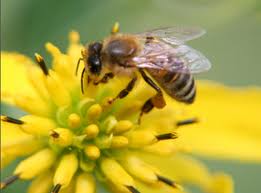
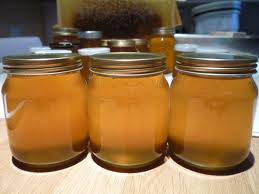
keep all your productive plants pollinated! we need bees to keep pollinating, so why not use the honey to add income.
Do you need more info or just some advice on any of these subjects? Contact us
Follow us on Instagram to keep up with our adventures and insights on all the properties we work with.